
What Happens When OT Risk Assessments Are Overlooked? Lessons from Real Cyberattacks
17-06-2026 Aesthetix
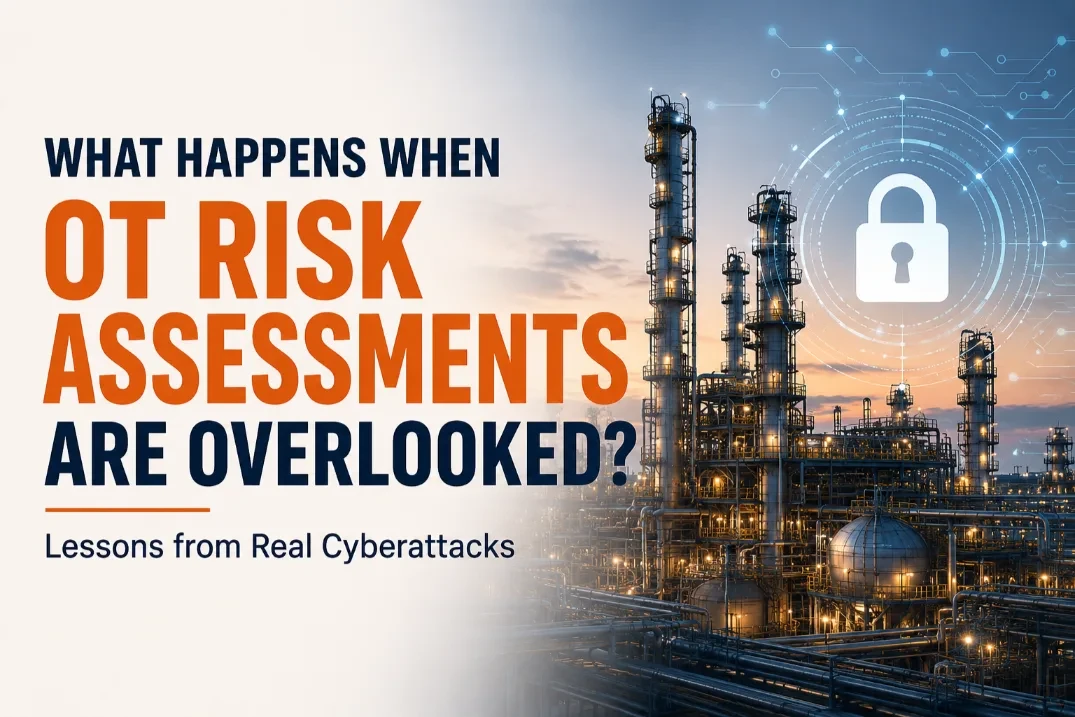
A single overlooked vulnerability in an Operational Technology (OT) environment can cause serious problems for an industrial business. It can stop production, disrupt essential services, damage equipment, create safety risks for workers, and result in significant financial losses. As industries adopt more connected technologies and integrate IT and OT systems, cybercriminals are increasingly targeting the systems that control physical operations.
Unlike traditional IT attacks that mainly affect data, OT attacks can directly impact day-to-day operations and critical infrastructure. Major incidents such as the Colonial Pipeline attack, the Ukraine power grid attack, and Stuxnet have shown the real consequences of ignoring OT security risks. Understanding these risks and addressing them early is essential for protecting operations, improving safety, and maintaining business continuity.
Understanding OT Risk Assessments and Why They Matter
As cyber threats continue to evolve, industrial organisations need more than basic security controls. They need a clear understanding of where risks exist within their operational environments and how those risks could affect production, safety, and business continuity.
What Is an OT Risk Assessment?
An OT risk assessment is a structured process used to identify, evaluate, and prioritise cybersecurity risks across operational technology environments. The objective is not simply to identify vulnerabilities, but to understand how those vulnerabilities could impact critical operations.
A comprehensive OT risk assessment typically includes:
- Asset Identification: Creating a complete inventory of industrial assets, including PLCs, SCADA systems, HMIs, sensors, and communication devices.
- Vulnerability Mapping: Identifying weaknesses in configurations, firmware, operating systems, and industrial applications.
- Threat Analysis: Evaluating potential threat actors, attack vectors, and their likelihood of impacting operations.
- Network Segmentation Review: Assessing whether OT environments are adequately isolated from corporate IT networks.
- Industrial Communication Review: Examining protocols such as Modbus, DNP3, OPC, and Profinet for security gaps.
- Risk Prioritisation: Ranking risks based on operational impact, safety implications, and business consequences.
How OT Security Differs from Traditional IT Security
Many organisations still apply IT cybersecurity strategies directly to OT environments. However, operational technology has unique requirements that demand a different approach.
| IT Security | OT Security |
|---|---|
| Focuses on data protection | Focuses on operational continuity |
| Prioritises confidentiality | Prioritises safety and availability |
| Frequent patching and updates | Limited maintenance windows |
| Protects digital assets | Protects physical processes |
| Data loss is primary concern | Operational disruption is primary concern |
Why Many Industrial Businesses Overlook OT Risk Assessments
Despite growing awareness, many organisations continue to delay OT security initiatives.
Several factors contribute to this:
- Legacy systems that were never designed with cybersecurity
- Concerns that assessments could interfere with production operations
- Limited in-house expertise in industrial cybersecurity
- A belief that isolated systems are naturally protected
- Budget allocations focused primarily on production and expansion
The Real Cost of Ignoring OT Risk Assessments
The impact of an OT cyberattack extends well beyond technology. It affects operations, revenue, safety, compliance, and reputation.
Production Downtime and Financial Losses
Manufacturing facilities may lose thousands of dollars per minute when production stops unexpectedly. Oil and gas operations can experience significant revenue losses when pipelines or processing facilities are shut down. Supply chain disruptions can continue long after systems are restored.
Safety Risks in Critical Infrastructure
Unlike traditional IT incidents, OT attacks can create physical consequences.
Compromised control systems can affect:
- Industrial pressure systems
- Chemical processing environments
- Power generation facilities
- Transportation networks
- Water treatment operations
In some situations, cyber incidents can directly increase the risk of equipment damage, environmental harm, or worker injury.
Operational Disruptions Across Oil, Gas, Utilities, and Manufacturing
Industrial sectors are increasingly becoming attractive targets because they deliver essential services.
A successful cyberattack can result in:
- Fuel distribution disruptions
- Power outages
- Water service interruptions
- Manufacturing shutdowns
- Transportation delays
The broader economic impact often extends far beyond the affected organisation.
Regulatory and Compliance Consequences
Industrial organisations are facing increasing scrutiny from regulators and industry bodies.
Failure to identify and address cybersecurity risks can lead to:
- Compliance violations
- Regulatory penalties
- Mandatory remediation requirements
- Increased insurance costs
- Reputational damage
Frameworks such as IEC 62443, ISA standards, and the NIST Cybersecurity Framework are increasingly shaping cybersecurity expectations across critical infrastructure sectors.
Lessons from Real Cyberattacks That Exposed OT Weaknesses
Several high-profile cyberattacks have highlighted the importance of understanding operational risks before an incident occurs.
Colonial Pipeline
In 2021, Colonial Pipeline experienced a ransomware attack that affected its corporate IT environment. Although the attackers did not directly compromise OT systems, uncertainty surrounding operational visibility prompted the company to shut down pipeline operations temporarily.
The result was widespread fuel shortages across parts of the United States and significant business disruption.
Key OT Security Lesson: Limited visibility into operational risks can force organisations to make difficult decisions during a crisis. Effective OT risk assessments help establish a clearer understanding of potential exposure before incidents occur.
Ukraine Power Grid Attack
The 2015 attack on Ukraine's power grid remains one of the most significant examples of a cyberattack affecting critical infrastructure. Attackers gained access to operational systems and successfully disrupted electricity distribution, leaving hundreds of thousands of people without power.
The incident demonstrated how cyberattacks can move beyond digital environments and affect essential public services.
Key OT Security Lesson: Critical infrastructure requires proactive assessment, segmentation, and continuous monitoring to reduce operational risk.
Stuxnet
Stuxnet fundamentally changed how organisations view OT security. The malware specifically targeted industrial control systems and manipulated physical equipment while concealing its activities from operators. The attack caused significant damage to industrial processes without immediately triggering alarms.
Key OT Security Lesson: Industrial systems require dedicated security assessments that account for both cyber threats and physical process risks.
Common Warning Signs Your OT Environment Needs a Risk Assessment
Many organisations already have indicators that their OT environment may require immediate evaluation.
Common warning signs include:
- Outdated industrial control systems nearing the end of support
- No complete inventory of OT assets
- Flat network architecture with limited segmentation
- Industrial devices running outdated firmware
- Unsecured remote access connections
- Third-party vendors with excessive system access
- Weak separation between IT and OT environments
- Limited visibility into industrial communications
If several of these conditions exist, hidden risks may already be present within the environment.
What a Proper OT Risk Assessment Should Include
An effective OT risk assessment should provide visibility across people, processes, and technology.
Asset Discovery and Critical System Mapping: Understanding what assets exist and how they support operations is the foundation of effective risk management.
Industrial Network Visibility: Monitoring industrial communications helps identify unknown devices, insecure protocols, and abnormal traffic patterns.
Vulnerability Assessment for ICS and SCADA Systems: Industrial control systems require specialised evaluation techniques that minimise operational disruption while identifying security weaknesses.
Risk Prioritisation Based on Operational Impact: Not every vulnerability poses the same level of risk. Prioritisation should consider safety, uptime, and operational dependencies.
Secure Remote Access Evaluation: Remote connectivity introduces significant risk when access controls are not properly managed.
Incident Response Readiness: Assessments should evaluate whether organisations can effectively detect, contain, and recover from OT cyber incidents.
Industry best practices often align with frameworks such as:
- National Institute of Standards and Technology (NIST)
- NIST Cybersecurity Framework
- International Society of Automation (ISA)
- IEC 62443
How Aesthetix Helps Businesses Address OT Risks Before Cyberattacks Happen
Aesthetix helps industrial organisations take a proactive approach to OT cybersecurity through comprehensive risk assessments, industrial network visibility, asset discovery, and operational risk analysis. By leveraging deep expertise in industrial communications, telecom systems integration, and OT infrastructure, Aesthetix enables businesses to identify vulnerabilities before they evolve into operational, financial, or safety incidents.
As industrial environments become increasingly connected, organisations need more than reactive security measures. They need visibility, preparedness, and a cybersecurity-first approach that supports resilient operations.
View our updates
Our Blogs
Operator Workflow Analysis: The Missing Link Between Safety and Operational Performance
Operator Workflow Analysis helps organisations identify workflow inefficiencies, information gaps, and human performance challenges in control rooms. Aesthetix applies Human Factors Engineering principles to improve operator decision making, reduce operational risks, and create safer, more efficient control room environments aligned with ISO 11064.
 View Details
Human Error or System Design? Understanding the Root Cause of Operational Incidents
Human error is rarely the cause of operational incidents. This blog explores how control room design, alarm management, HMI usability, procedures, ergonomics, and human factors influence operator performance. Learn how Aesthetix uses Human Factors Engineering and control room solutions to prevent repeat incidents and improve safety and reliability.
View Details
Zero Trust in OT Environments: A New Approach to Cyber Risk Prevention
Aesthetix explores how Zero Trust is changing OT cybersecurity. This blog covers the risks of connected industrial systems, the limitations of traditional security, and how Zero Trust protects SCADA, PLCs, and critical infrastructure through identity verification, least privilege, and continuous monitoring for safer, resilient industrial operations. It also covers practical steps for adopting Zero Trust in brownfield OT environments.
View Details
6a83e6d16a1a8.webp)
How Telecom System Integration Improves Industrial Cyber Resilience
Industrial facilities face growing cyber risk as connected systems expand. Aesthetix designs secure telecom infrastructure that unifies IT and OT visibility, segments critical networks, and detects threats early. Built on IEC 62443 and NIST standards, our solutions protect legacy equipment while keeping operations running. Contact Aesthetix to strengthen your industrial cyber resilience.
View Details
6a82acf7418c6.webp)
How IEC 62443 Helps Secure Critical OT Infrastructure from Modern Cyber Threats
IEC 62443 gives industrial organizations a structured way to secure control systems, SCADA, and OT networks against cyber threats. It defines security levels, zones, and defense-in-depth measures suited to industrial environments. Aesthetix applies these principles to build secure telecom and OT infrastructure for critical industries like oil and gas, energy, and defense.
View Details
6a0d497614769.jpg)
How OT Cybersecurity Risk Assessment Helps Identify and Prevent Threats
Aesthetix helps industrial organizations identify vulnerabilities, reduce cyber risks, and protect critical systems through comprehensive OT cybersecurity risk assessments. By evaluating OT networks, control systems, and security gaps, businesses can improve safety, uptime, and resilience while building secure and future ready operational environments.
View Details

How Zero Trust Infrastructure Secures Brownfield Telecom Networks Without Disrupting Live Operations
Aesthetix explains how Zero Trust Infrastructure secures brownfield telecom networks that combine legacy and modern systems requiring continuous operation. Through continuous verification, identity based access control, and phased deployment, security can be strengthened while telecom services remain stable and uninterrupted.
View Details

Navigating Telecom Integration in Brownfield Infrastructure
Brownfield telecom integration upgrades live networks without service disruption. It modernises legacy systems, integrates 5G and fibre, and improves reliability, safety, and scalability. With a phased, structured approach, Aesthetix drives digital transformation while ensuring secure and continuous network performance.
View Details
Key Engineering Challenges in Telecom Design for Hydrogen Plants
Telecom systems are vital to the safety, automation, and reliability of hydrogen plants in hazardous environments. This blog covers key telecom engineering challenges like ATEX compliance, network redundancy, and safety integration, and explains how Aesthetix delivers telecom solutions for hydrogen facilities.
View Details
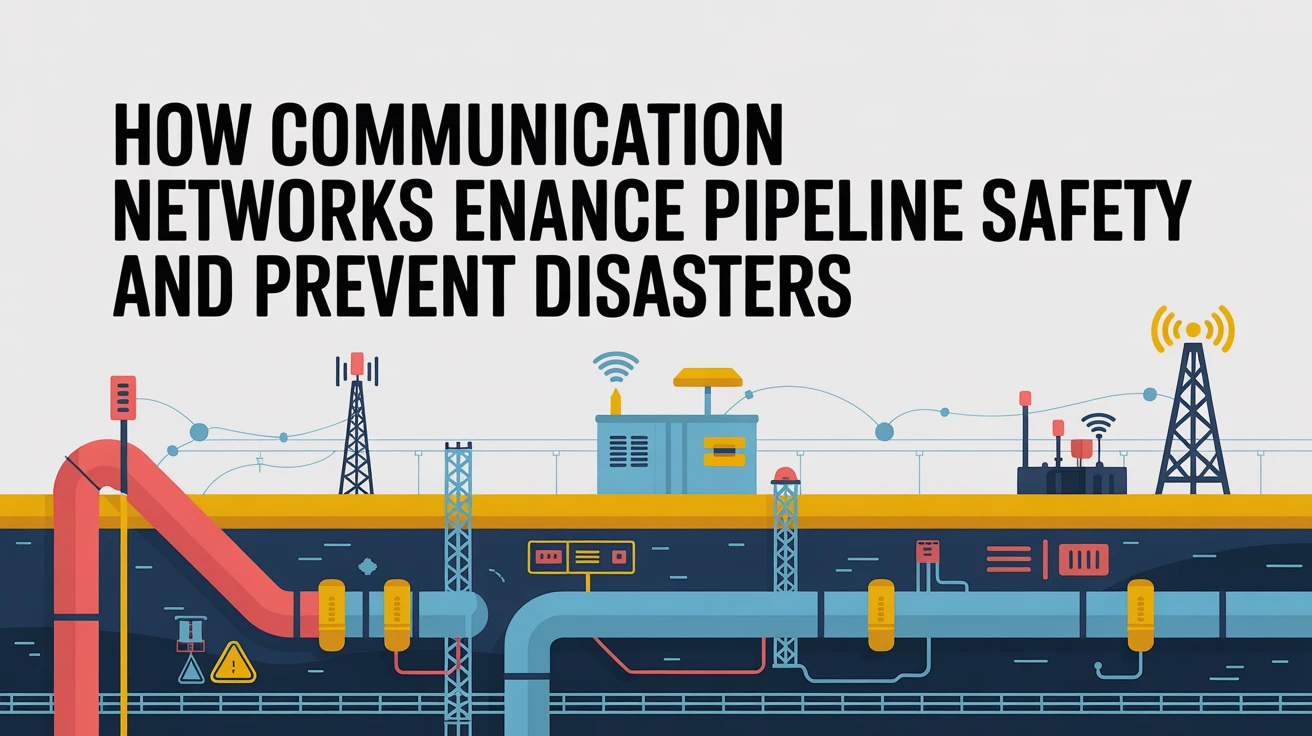
How Communication Networks Enhance Pipeline Safety and Prevent Disasters
Aesthetix is redefining pipeline safety with intelligent communication networks and advanced real-time monitoring solutions. By integrating telecom systems with cutting-edge sensing and analytics technologies, Aesthetix helps prevent pipeline disasters, ensuring safer, smarter, and more reliable energy operations worldwide.
View Details
Pipeline Safety Challenges in Oil & Gas: How Technology Prevents Costly Leaks
Aesthetix offers custom pipeline safety solutions with advanced leak detection systems. Using a combination of AI, fiber optics, acoustic monitoring, and real-time data analytics, Aesthetix helps prevent costly leaks, and ensure full compliance with global and regional safety standards, safeguarding your operations and assets.
View Details
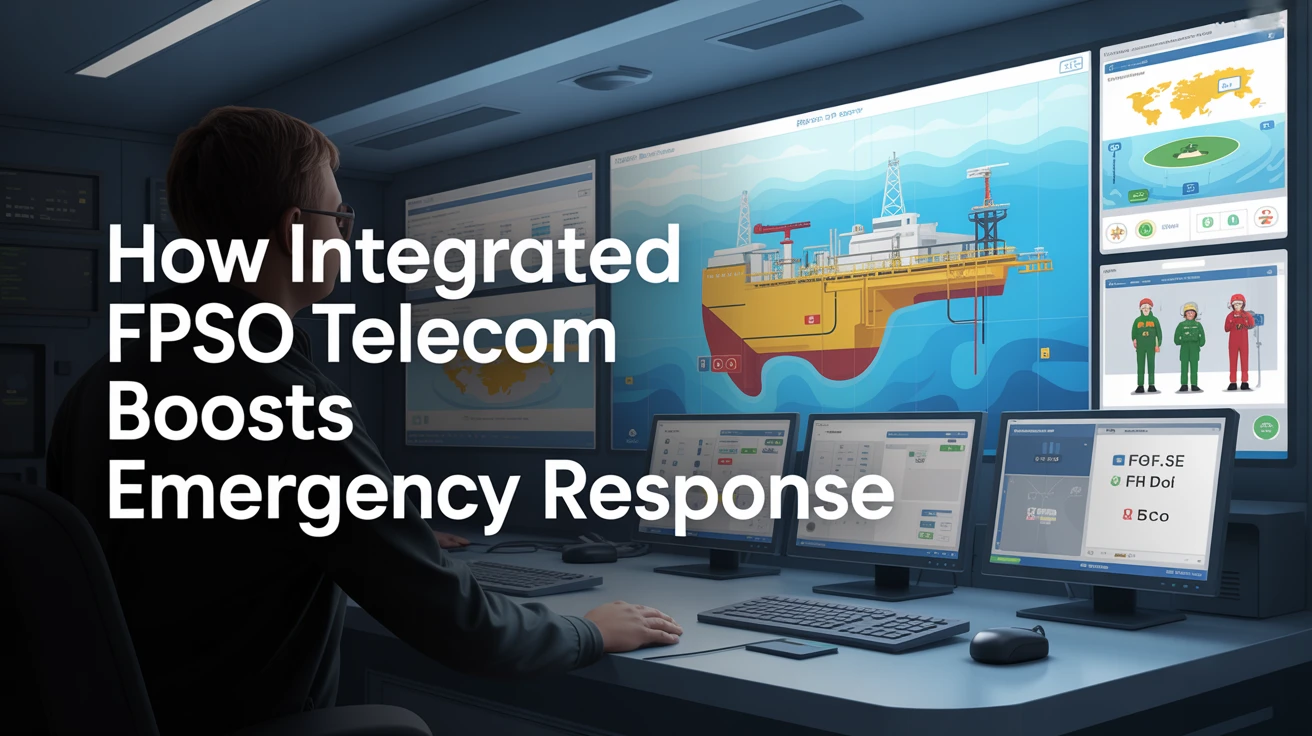
How Integrated FPSO Telecom Enhances Emergency Response Capabilities
Aesthetix provides integrated FPSO telecom solutions, ensuring seamless communication, real-time data transmission, and automation for enhanced emergency response. With IoT integration and advanced technologies, Aesthetix supports offshore safety, operational efficiency, and resilience, driving innovation in offshore telecom.
View Details

How Ergonomics Improves Decision-Making in High-Stress Environments
Discover how Aesthetix’s ergonomic solutions empower better decisions in high-stress environments. Reduce fatigue, boost focus, and enhance safety in oil rigs, control rooms, and beyond — creating smarter workspaces that keep minds sharp and performance at its peak. Elevate productivity with every task.
View Details
Human Factor Engineering ROI: How Proper Design Reduces Operational Errors
At Aesthetix, we integrate Human Factors Engineering (HFE) into system design to minimize errors, enhance safety, and maximize operational efficiency. By blending cognitive and physical ergonomics, we create intuitive, user-friendly interfaces that reduce fatigue, improve decision-making, and prevent costly mistakes.
View Details
685156448cd29.jpg)
When to consider a control room revamp: 5 Key Indicators
Transform your control room with Aesthetix's AI-driven, ergonomic solutions boost efficiency, safety & scalability for oil/gas, utilities & transport sectors. Featuring real-time analytics and modular designs to minimize downtime while future-proofing critical operations. Our customized solutions integrate seamlessly with your existing infrastructure for immediate performance improvements
View Details
6821ef9f8971f.jpg)
Future of Control Room Design: Trends & Innovations
Explore the future of control room design with Aesthetix—leveraging AI, IoT, cloud computing, and advanced ergonomics for intelligent, sustainable, and secure operations. Tailored for UAE’s extreme climate & Vision 2030, our solutions enhance efficiency, safety, and operator well-being in industries like energy, smart cities, etc.
View Details
67f7b130effe8.jpg)
Enhancing FPSO Operations with Advanced Telecom Systems
Advanced telecom systems are revolutionizing FPSO operations by enabling real-time communication, enhancing safety, and boosting efficiency in harsh offshore environments. Aesthetix delivers robust, integrated telecom solutions tailored for FPSOs, ensuring reliability, compliance, and seamless operations.
View Details
67c1657c99568.jpg)
Cybersecurity in the Oil and Gas Sector
Explore key cybersecurity challenges in the oil and gas sector, real-world attacks, etc. Learn how Aesthetix enhances security with advanced threat detection and proactive defense strategies. Stay ahead of evolving threats with custom solutions tailored for the energy industry, ensuring operational resilience and compliance with global security standards.
View Details
679b189aa5bb4.jpg)
Oil and Gas Sector: The Role of Telecom Technologies
Telecom technologies play a crucial role in transforming the oil and gas sector by enhancing communication, improving operational efficiency, and ensuring safety in remote locations. This blog explores how advanced telecom solutions, such as IoT, 5G, and satellite communications, are revolutionizing the industry, enabling real-time data exchange, automation, and seamless connectivity across offshore and onshore operations.
View Details
What is Human Machine Interface (HMI) Analysis?
Discover how Human-Machine Interface (HMI) plays a pivotal role in modern manufacturing. This blog explores the essential functions of HMI, its components, and how it enhances productivity, safety, and troubleshooting. Learn about the various types of HMIs, their impact on industrial processes, and the future advancements shaping the way operators interact with machinery.
View Details
673458f69fa05.webp)
Sustainability In The Oil And Gas Industry
Discover the top cybersecurity threats facing the oil and gas industry, including real-world attack examples and proven defense strategies. Learn how Aesthetix delivers cutting-edge solutions to safeguard critical infrastructure, ensure compliance, and mitigate risks in an evolving digital landscape.
View Details

Why Do We Need to Use an Anti-Static Raised Floor?
Imagine the frustration of constantly experiencing electrostatic discharge (ESD) at your workplace, which is similar to the shock you get from stepping on a carpet and then touching a doorknob. Even tiny electrical pulses have the potential to cause operational disruptions in sensitive locations such as production facilities.
View Details
What is a Working Environment Health Risk Assessment ?
Maintaining a safe workplace is not just an obligation; it's also a chance to enhance the working environment for your staff. How do you ensure the safety of your workplace? What all factors do you need to consider? This is where an environmental health risk assessment comes in.
View Details

Why is Ergonomics Important?
Ergonomics is the study of people in the workplace. An ergonomist seeks to create or alter the workspace to fit the worker, rather than the other way around.
View Details
Understanding ergonomics In Control Room Design
The fundamental principle of ergonomics centers on the optimization of workspaces, products, and systems to suit the needs of their users. It encompasses the design of environments for work, recreation, and fitness, with a paramount emphasis on promoting health and safety.
View Details
Role of Telecom System Integration in Oil and Gas Industries
The telecommunication requirements of the oil and gas industry are significantly different from those of carriers or enterprises. The challenge for oil and gas companies lies in maximizing production while minimizing both capital and operational expenses. To achieve this goal, a reliable telecommunications network is essential. These networks, owned and maintained privately.
View Details
How Do Industrial Ergonomics Improve Productivity?
Improving productivity is always top of mind for employers. They plan and implement various organizational changes that will boost productivity and enhance the safety of employees. Employers now understand the importance of taking care of the emotional well-being of their employees to keep them motivated and productive
View Details
How Mining Automation Transforms the Mining Workforce
Innovation is the core of growth. At last, the mining industry, which was reluctant to embrace digitization and was focusing on mechanical force and manpower, is embracing digital technology. All the major players in the sector, who might form around
View Details
Technology Trends for Safer & Smarter Mining Operations in 2023
Technological advancements are making the world a much more efficient and safer place. The waves of IoT (Internet of Things), Artificial Intelligence, Machine Learning, and robotics are creating disruptions in almost
View Details
Guide to Control Room Space Planning and Design
The control room is the epicentre of a technical setup. Ergonomics and human factor engineering play pivotal roles in the planning and design of the subject space. A foolproof system with all the elements integrated methodically will
View Details

Role of IoT in Transforming the Mining Industry
The mining sector is dealing with increasing challenges as the world's population expands. Every industry is responding by adopting modern technologies in order to boost productivity, save costs, and maintain growth, and the mining industry is no
View Details

Revolutionizing Pipeline Leak Detection: The Impact of Emerging Technologies
Gas system pipeline leakages can lead to catastrophic events. Timely detection and corrective measures are the only way to prevent fatal accidents that can result in human and material loss.
View Details
Radar Systems for Maritime Surveillance on Floating Platforms
The safety and security of the vessels, coastal regions, harbors, and offshore installations are best protected by maritime surveillance systems. This surveillance is effective only if there are adept radar
View Details

Starlink, Elon Musk’s Dream Project Commences Operation
Elon Musk has been pushing his ambitious project, Starlink for quite some time now. A state-of-the-art internet project that would connect even remote rural areas. his project under the SpaceX initiative has started functioning in selected regions in the US,
View Details
Benefits of Automation in the Mining Sector
Automation in general has brought about inherent changes in global industries and the economy. It has made life easier for everything and everyone, and the mining sector is just one of them. he safety and efficacy of mining professionals or workers have been the major advantages that
View Details
Critical Role of Telecom in Enabling IoT Business Solutions
The Internet of Things, or IoT, has garnered attention since the time of the digital revolution and has been gaining acceptance in different industrial fields, and the telecom industry is one of them. Internet of Things can be simply defined as the
View Details
Autonomous Drilling Solutions In Mining
Drilling is one of the important phases in mining, the others being blasting, loading, and hauling. It is necessary to plan these processes effectively so as to avoid any sort of extra operational costs or environmental footprint. Through introducing autonomous solutions, one can ensure that the
View Details
Challenges For Effective Leak Detection On Large-Diameter Pipelines
Pipelines are an inherent and important part of the oil and gas industry. Without them, the industry in itself is a futile option, as they can’t or won't be able to meet the demands of the market. Transportation of oil and gas through pipelines
View Details

Aesthetix Going Green: Energy Conservation Strategies
The world is implementing measures to reduce the carbon footprint that is rapidly destroying the biosphere. As a responsible entity, we at Aesthetix have formulated exclusive working principles and production processes to maintain a reduced carbon footprint as well as limit energy
View Details
Self-Driving Truck For Mining Fields
Self-driving vehicles have been on the radar for quite some time. Autonomous trucks are in better demand because of all the positive perks they can bring to the table. Self-driving trucks can work seven days a week for 24 hours, which means they can work all year, save a lot of money,
View Details
Thermal Imaging Cameras for Pipeline Leak Detection
Evaluation and monitoring the functioning of hundreds of layouts of pipelines in the oil and gas industry can be a tedious and mundane task. The number of personnel that has to be employed for the same can be quite huge and will not necessarily yield a result, which can't be sufficient
View Details

How Radar Systems Help Offshore Platforms
Radars are a prominent element of the navigation system in airspace, marine spaces, and even on land. RADAR is the short form of "Radio Detection and Ranging." It is the use of radio wave frequencies where it is emitted and when the encountered object bounces back the
View Details

Why Is Mining Communication Important?
Mines are one of the most hazardous working environments. The possibility of unfortunate incidents lurks behind every mine. Quick response and evacuation measures are the only ways to reduce the loss of life. These facts underscore the necessity for a seamless and efficient
View Details

Benefits Of Unified Critical Communications For The Oil And Gas Industry
A seamless communication system is the soul of the oil and gas industry. Functioning in a highly flammable environment, constant connectivity is vital for preventing unfortunate incidents and mishaps.
View Details
Growing Importance of Communication Technology in Mining
Long-term communication strategies form an essential part of the growth and development of the mining industry. An effective communication system has the ability to bridge the gap between the remote sites and their respective headquarters.
View Details

Industrial Communication Solutions for the Oil & Gas Industry
The Oil & Gas Industry has been influencing everyone's lives either directly or indirectly forever. Almost every product you use has some derivative from this industry. It helps our human race to progress and ensures everything is operating
View Details
Transforming Oil and Gas Strategies With the Internet of Things
The Internet of Things (IoT) has the potential to revolutionize oil and gas companies' operations completely. If handled properly, this digital technology will enable oil and gas companies to take advantage of previously inaccessible data that
View Details
Energizing the oil and gas industry with IoT
The oil and gas industry is a volatile industry and one that plummets beyond anyone’s imagination. This highly revenue-generating activity requires a very streamlined approach to instigate the maximum revenue from selling the oil and gas industry.
View Details

Telecommunication in the Oil and Gas Industry for Operation & Safety
The Oil and Gas industry is one of the most technologically advanced industries in the world. It relies on telecommunications to help facilitate this process. The oil and gas industry relies heavily on telecommunication networks
View Details

Major Cyber Security Threats in Telecom and Ways to Mitigate them
Communication networks must be dependable. The present extent, diversity, and complexity of cybersecurity threats are expanding dramatically. The increasing number of data transfers, legacy technology,
View Details
Data Centralization on A Single Platform For Pipeline Leak Detection Systems
A spectrum of technologies is used for maintaining data, complying with scheduled analysis, preparing statistical reports, and implementing corrective as well as predictive maintenance. Consolidating and integrating the information from various sources
View Details
How AI And IoT Are Used to Monitor and Detect Leaks in Pipelines
While leak detection systems (LDS) have been used by operating companies in upstream, midstream, and downstream oil and gas for decades, new regulations, rising concerns about pipeline integrity and cybersecurity
View Details

How Digitalization can Streamline Oil and Gas Operations
The oil and gas industry is the sector that demands higher security and protection as well as being on the lookout for more advanced technology. The better technology can get the better. It is also in need of stringent measures to ensure....
View Details
61fcf550707d2.jpg)
Fueling Ergonomics in the Oil and Gas Industry
An underrated yet extremely important facet of working in the oil & gas industry is the ergonomics of it all. It is sufficient to say that ergonomics plays an important role in any industry and sector. And for the oil & gas industry in particular, employee wellbeing factors into the productivity...
View Details
How IoT Is Changing the Oil and Gas Industry
There are several perks associated with integrating the IoT in the oil and gas industry. IoT has used technology to facilitate the managing and controlling of sensors and devices that engage in cloud computing.It has been a great revolution for the oil and gas industry...
View Details
All You Need To Know About Pipeline Leak Detection System
Pipeline systems are one of the most valuable and key transport support systems in any country. Having a well functioning pipeline system can immensely help various industries and sectors across the country from waterways, gas, oil, biofuel to sewage, slurry and steam.
View Details

Ways to Perform a Perfect SAT Test
SAT or Site Acceptance Test is carried out at the buyer’s premises (plant, pipeline, platform or any other end user’s location) to ascertain the performance of the systems and equipment. The buyer’s team in association with the seller’s or original equipment...
View Details
Why Human Factor Engineering Matters in Every Workplace
Human factors engineering is understanding the connection between human factors and the factors in the workplace that influence work. Human factors can be defined as the science of people at work. How people participate and contribute to...
View Details
Fatigue and Stress Management Study
The purpose of this study is to explain the minimum requirements of conducting fatigue risk management study for selected ADNOC Gas Processing sites and develop a system of managing, monitoring and reporting of fatigue to increase the productivity of the workers.
View Details
How Drone Inspections Can Be A Game-Changer For Oil & Gas Industry
Conventional methods of inspecting oil and gas assets are risk-filled and time-intensive. Sophisticated drones are the new alternative to inspect hard-to-reach places, eliminating risks and saving a lot of time as well as money.....
View Details